
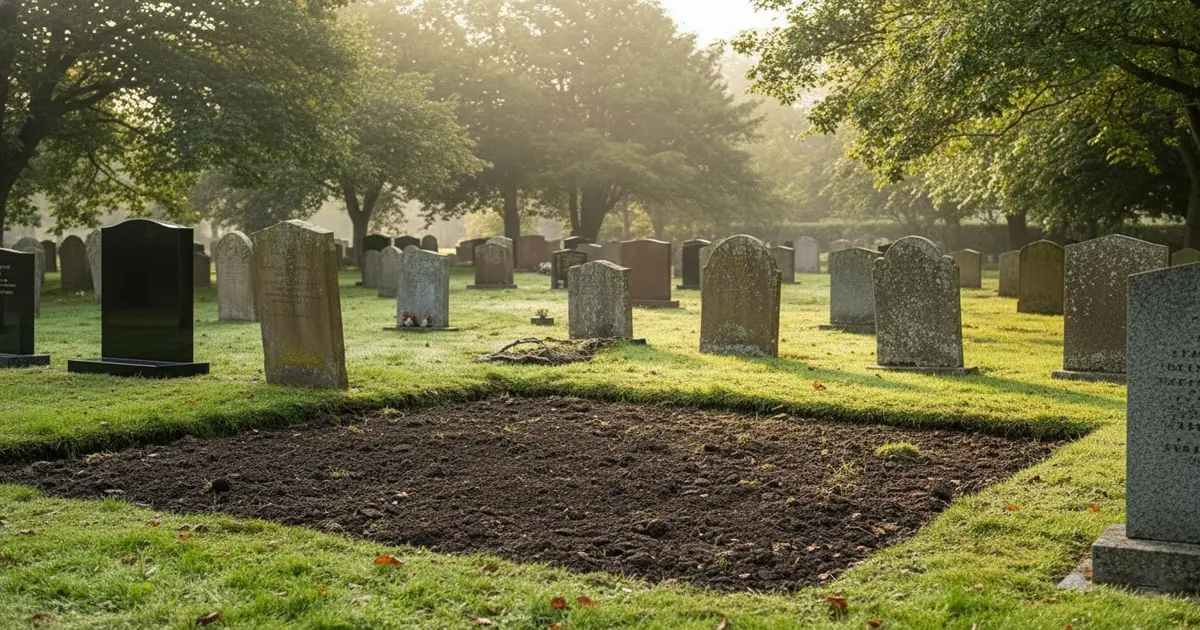
Families often expect a memorial to be installed quickly, and it can feel confusing when they are told there is a waiting period or that extra groundwork is needed. The truth is that the ground beneath a grave goes through a natural settling process. Soil type, drainage and weather all influence how stable the ground becomes over time. Understanding this helps families see why memorial masons follow set timescales and why proper foundations matter.
Lincolnshire Memorials follow the National Association of Memorial Masons code of working practice, so every installation is completed using approved fixing systems and foundations. This is what makes a memorial safe, stable and able to stand for generations.
Why the Ground Needs Time to Settle
After a burial, the soil is loose. Even when a grave is backfilled carefully, the soil still needs time to settle and compact naturally. If a memorial is installed too soon, it can lean or sink because the ground underneath has not stabilised.
This is not a matter of preference. It is standard industry practice. Many councils recommend waiting six to twelve months before installing a headstone. According to Richmond Council’s Memorial Guidelines (pdf) opens in a new tab, this waiting period helps reduce the risk of instability, especially where rafts or beam foundations are not already in place.
Ground settling speeds vary. Some plots settle within a few months, others take longer. Soil type, rainfall and burial depth all influence the rate of compaction.
How Soil Type Affects Stability
Lincolnshire and North East Lincolnshire have a variety of ground conditions. Parts of the county are known for clay rich soil. Clay is slow to drain, so it can expand in wet months and shrink in hot weather. This movement increases the chance of memorials becoming uneven unless the correct foundation system is used.
Sandy ground behaves differently. It drains quickly but does not always offer strong support without adequate foundation depth. Chalk and limestone areas are more stable, yet still affected by heavy rain or frost.
A headstone base is only as strong as the soil beneath it. That is why a qualified mason always checks the ground before installation.
Why Drainage Matters
Waterlogged soil is soft. Soft ground cannot support a heavy memorial for long. Poor drainage also increases the risk of frost heave in winter, where water freezes and expands under the surface, lifting the ground slightly before it drops again once the ice melts.
Frost heave is a known cause of leaning memorials. Summers Memorials opens in a new tab explains that winter frost can push memorials out of alignment when the ground beneath them expands.
Good foundations help manage these natural pressures.
The Role of Proper Foundations
A strong foundation spreads the weight of the stone evenly and prevents movement over time. Lincolnshire Memorials use approved foundation systems that comply with the BRAMM Blue Book standards. These include ground anchors, dowels and reinforced bases that keep the memorial secure.
The Richmond Council guidelines require all memorials to be installed using NAMM approved methods, which include safe foundations and anchoring systems. This ensures every installation follows recognised national safety standards.
Families sometimes ask why one memorial needs extra groundwork while another does not. The reason is usually the soil beneath the plot. In areas with softer or more reactive soil, the mason may recommend a deeper foundation or additional under bearers. Guidance from Abbey Memorials (pdf) opens in a new tab notes that under bearers reduce the risk of subsidence where ground movement is likely.
This is not optional work. It is a practical step to protect the memorial and ensure long term safety.
Why Installation Timescales Vary
Families often see different rules between cemeteries. One churchyard may require a full year before installation, while a council cemetery might allow a memorial sooner. This is because each burial ground has its own soil, drainage and maintenance conditions.
Churchyards tend to have older ground that has been disturbed many times over the years. They may require longer settling periods to maintain stability. Some cemeteries use concrete rafts or beam foundations, which allow earlier installation because the memorial is not standing directly on unsettled soil.
There is no single rule. It depends entirely on the ground.
What Happens If Movement Occurs Later
Even with proper installation, all soil moves over time. Weather, frost or natural subsidence can cause gradual changes. That is why Lincolnshire Memorials use fixing systems designed to keep the stone secure and aligned.
There are also industry protections in place. According to the ICCM’s Management of Memorials policy (pdf) opens in a new tab, if a memorial is found to be unstable within six years because of non compliant installation, the mason must rectify it at no cost to the owner.
Families can feel reassured knowing that qualified masons take responsibility for their workmanship.
Helpful Examples From Real Situations
Sebastian and Mario often see the same scenarios:
A family in a clay area notices the grave soil sinking slightly after heavy winter rain.
This is normal. Clay absorbs water and becomes heavy, so the ground compresses further. The mason waits until the soil stops moving before fitting the memorial.
A lawn cemetery has a six month waiting rule, but a nearby churchyard needs a full year.
The lawn cemetery has pre installed concrete beams beneath the rows, so memorials are not placed directly on soft soil. The churchyard does not, so it needs a longer settling period.
A family worries that extra foundation work means the ground is poor.
Often it simply means the mason is taking the correct precautions. Softer ground needs extra support, and installing a heavier memorial without it increases the chance of leaning.
These examples help families see that these decisions are technical, not administrative.
Practical Tips for Families
You do not need to know every technical detail, but a few steps help the process run smoothly.
Ask your mason how the soil conditions at your chosen plot affect installation.
They will always do an assessment before advising a timescale.
Use the waiting period to finalise design and inscription decisions.
Many families find this gives them more time to consider wording calmly.
Check whether your cemetery uses concrete rafts or beams.
This may influence how soon the memorial can be installed.
Keep an eye on the grave during the first six months.
If you notice severe sinking or pooling water, mention it. Most of the time it is normal movement, but noting it helps the mason plan.
Choose experienced, qualified masons.
BRAMM and NAMM registered companies follow national safety standards and use certified fixing systems. This is vital for long term safety.
Support From Lincolnshire Memorials
Sebastian and Mario have installed memorials across many churchyards and cemeteries throughout Lincolnshire and North East Lincolnshire. They understand how different soil behaves and how to create a stable foundation that lasts.
Families often say they feel reassured after talking through the process, because once the ground conditions are understood, the timescales make sense. Lincolnshire Memorials can also advise on memorial designs, stone choices and the best installation approach based on the location.
The goal is always the same. A safe, secure and lasting tribute that reflects the memory of the person it honours.
Questions Often Asked About Ground Conditions
How Long Do We Need to Wait Before a Memorial Can Be Installed?
Most cemeteries recommend waiting between six and twelve months because the ground needs time to settle after a burial. This prevents the memorial from leaning or sinking later on, especially in areas with clay soil or heavy rainfall. Your mason can check the plot and advise if the ground is ready.
Why Does the Ground Sink After a Burial?
Soil settles naturally as air pockets collapse and rainfall compacts the ground further. This process continues for months, which is why some sinking is expected and not usually a sign of a problem. It is simply part of the natural settling process.
Can a Memorial Be Fitted Sooner If the Cemetery Has Concrete Beams?
Yes, some modern cemeteries use concrete rafts or beams under each row of graves, which support memorials independently from the soil beneath. This means installation can often take place earlier because the memorial is not resting directly on unsettled ground. Your cemetery office or mason can confirm whether this system is used.
What Happens If the Memorial Leans in the Future?
Leaning can occur due to weather, frost, or ongoing soil movement. A qualified mason can refix or relevel the memorial so it stands safely again, and BRAMM registered masons follow strict standards to reduce the risk of future movement.
Why Does One Cemetery Need a Full Year of Settling but Another Only a Few Months?
Every burial ground has different soil conditions, drainage and maintenance practices. Churchyards often have deeper or older soil that moves for longer, while newer cemeteries may have engineered bases that speed up the settling process. This is why timescales vary from place to place.
Is Extra Foundation Work Always Necessary?
Not always, but it is required when the ground is softer, wetter or more likely to move. Extra foundations help spread the load and reduce the chance of future instability, giving you a safer and longer lasting memorial.
Who Sets the Rules for Installation Timescales?
Each cemetery or churchyard sets its own regulations, and memorial masons must follow them. These rules are based on the ground conditions and safety requirements of that specific site. Your mason can explain the local policy before you place an order.
